



In Điện Biên province, the collaboration between the Department of Culture, Sports and Tourism and the Department of Agriculture and Environment is now considered a key driving force in making this sector a strategic direction for local tourism development.
Nguyễn Minh Phú, Director of the Department of Culture, Sports and Tourism, emphasized that tourism and rural agriculture are closely linked; agricultural activities and rural communities provide the foundation for tourism development. Conversely, the growth of tourism contributes to stabilizing rural development, preserving cultural identities, promoting local product consumption, and enhancing the value of agricultural goods.
.jpg)
In recent years, rural tourism in Điện Biên has received strong support from local Party committees and authorities, as well as active participation from businesses and local residents. Notably, the provincial government’s issuance of Plan No.3745/KH-UBND on August 24, 2023, regarding the development of rural tourism in association with the new-style rural development program until 2025, has provided a clear strategic direction for long-term growth.
Initial agricultural and rural tourism models in the province have generated both economic and social impacts. They have created additional livelihoods, increased income, reduced poverty, and improved the quality of rural life. These efforts have also raised community awareness about building a civilized and clean tourism environment and preserving ethnic cultural values.
To date, the province has 12 cultural tourism villages, 20 homestays, and 15 tourist and recreational sites. Among them, notable community-based tourism locations include Phiêng Lơi village (Điện Biên Phủ ward), Che Căn village (Mường Phăng commune), Mển village (Thanh Nưa commune), and Nà Sự village (Mường Chà commune). In these villages, visitors can engage in daily activities with the Thái ethnic community, participate in food preparation, enjoy cultural performances and local cuisine, and stay overnight in village households.
.jpg)
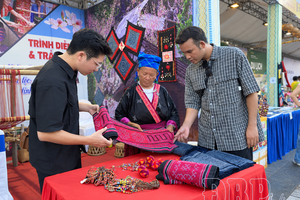
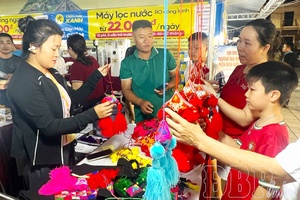
Shopping activities are also developing. Popular items include brocade products and OCOP-labeled specialties such as Chà Nưa forest honey, Chí Chọp cake, Khẩu Xén cake, and Shan Tuyết tea (P.H.14). There are many shops selling local specialties and OCOP products, which play an important role in boosting both tourism and commerce.
However, Director Nguyễn Minh Phú candidly acknowledged that the current results are still modest. The tourism potential of Điện Biên’s rural areas remains underexploited; products lack diversity and depth, are often supplemental, and are not attractive enough to retain visitors for longer stays. Most tourism activities still revolve around simple sightseeing and basic experiences, with limited investment in content, presentation, and destination connectivity.
Recognizing these limitations and the potential for growth, the Department of Culture, Sports and Tourism has initiated and signed a cooperation program with the Department of Agriculture and Environment for the 2025-2030 period, aiming to define practical and sustainable development strategies for rural tourism.
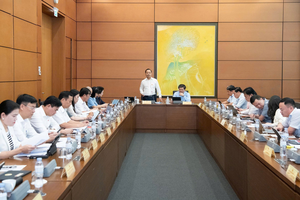
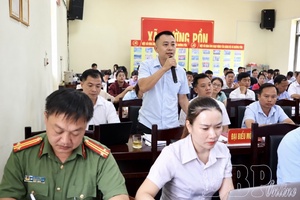
Under this cooperation program, the two departments will regularly share information, data, and materials related to agricultural projects connected with tourism development. They will coordinate in conducting field surveys, assessing tourism potential, and guiding localities in building model agricultural tourism sites. Joint workshops, conferences, working missions, and inter-agency surveys will be organized to review and evaluate the quality of rural tourism destinations and services.
.jpg)
Importantly, the two departments will work together to develop a shared database for agricultural and rural tourism. This will include tourism resources, visitor spending surveys, and infrastructure data, providing a solid foundation for more systematic management and policy development. Trade promotion plans, branding strategies for OCOP products, and the marketing of agricultural goods through tourism channels will also be prioritized.
“Rural and agricultural tourism originates from the cultural depth of local communities and the lives of farmers, those who directly create these products and services. Therefore, developing tourism in these areas is not just about exploiting landscapes, but also a chance to showcase culture, increase income, and elevate the role of local people,” stressed Director Nguyễn Minh Phú.
Điện Biên is rich in natural resources, ethnic cultural heritage, and traditional agricultural values. Promoting agricultural and rural tourism aligns well with the province’s orientation toward green transformation, circular economy, and digital economy. It also allows Điện Biên to unlock its unique strengths and establish a distinct identity on the Northwestern tourism map.
.jpg)
The cooperation program between the two departments will not remain on paper. It will be implemented through practical, flexible, and regular activities, with ongoing monitoring, evaluation, and adjustments to match real-world conditions. This ensures effective coordination and tangible results, helping agricultural and rural tourism become a core pillar of Điện Biên’s tourism sector in the near future.
As modern tourists increasingly seek authentic, nature-based, and community-centered experiences, agricultural and rural tourism promises to be a wide-open gateway, creating new opportunities not only for the tourism industry, but also for farmers and Điện Biên’s agricultural economy as a whole.
Diệp Chi
.jpg)
.jpg)
.jpg)
.jpg)
.jpg)
.jpg)
.jpg)
.jpg)
.jpg)
.jpg)
You have 500/500 characters left
Please enter 5 or more characters!!!